
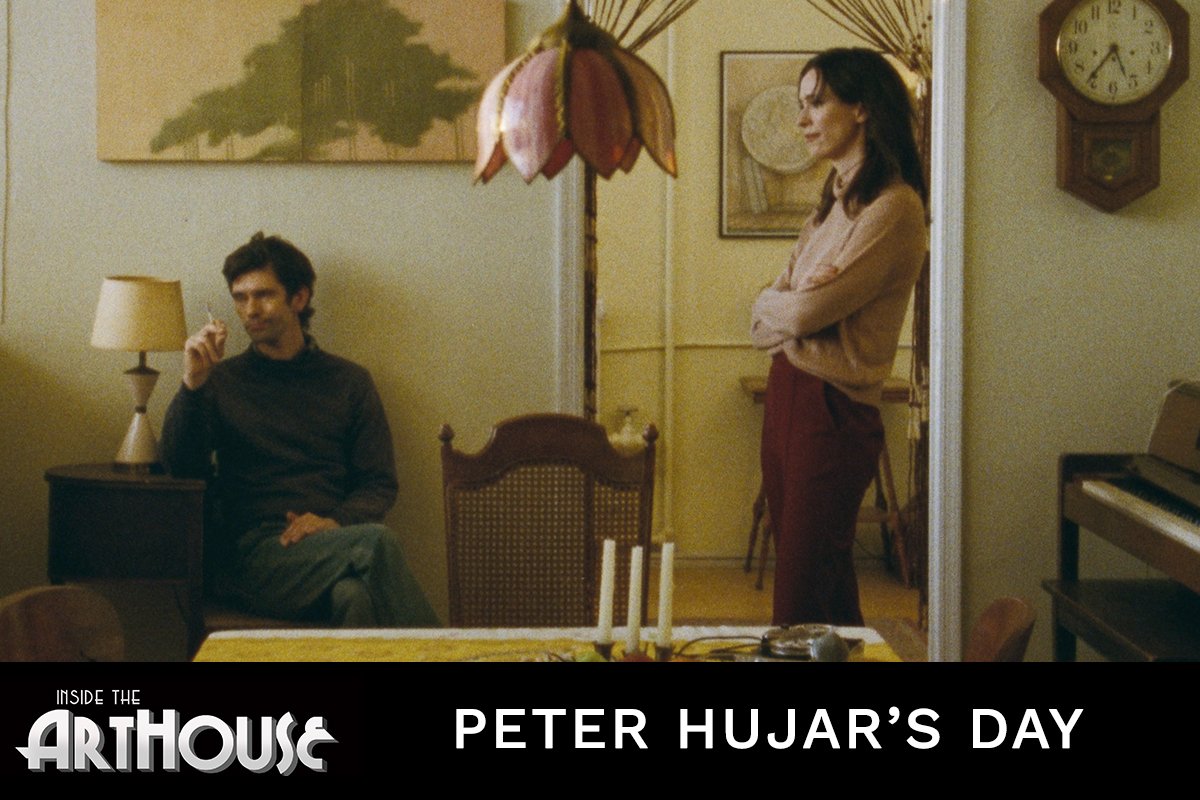
It’s been nearly 30 years since Ira Sachs burst onto the indie scene with his debut feature THE DELTA. While other indie darlings of that period wandered off to making big-budget superhero pictures or directing marginally interesting episodic TV, Sachs has stayed committed to making movies in a truly independent space.
His films, like LOVE IS STRANGE and PASSAGES, explore the complexities of modern romance, family dynamics, and queer identity.
All of this life and work experience is brought to bear in Sachs’s new film, PETER HUJAR’S DAY, a film based on the rediscovered transcript of writer Linda Rosenkrantz’s 1974 interview of groundbreaking photographer Peter Hujar.
With Ben Wishaw and Rebecca Hall delivering mesmerizing performances, the film paints a fully fleshed-out picture of a seminal point in the history of the American cultural landscape.
With a brisk 76-minute running time, you would be forgiven for assuming that the film is a cinematic amuse-bouche. Make no mistake. This is a full meal, providing much to chew on and leaving the viewer fully satisfied.
Filmmaker Ira Sachs is one of our indie heroes, and we are honored to have him as a guest on the show.
Our conversation with Ira Sachs on INSIDE THE ARTHOUSE, starting now
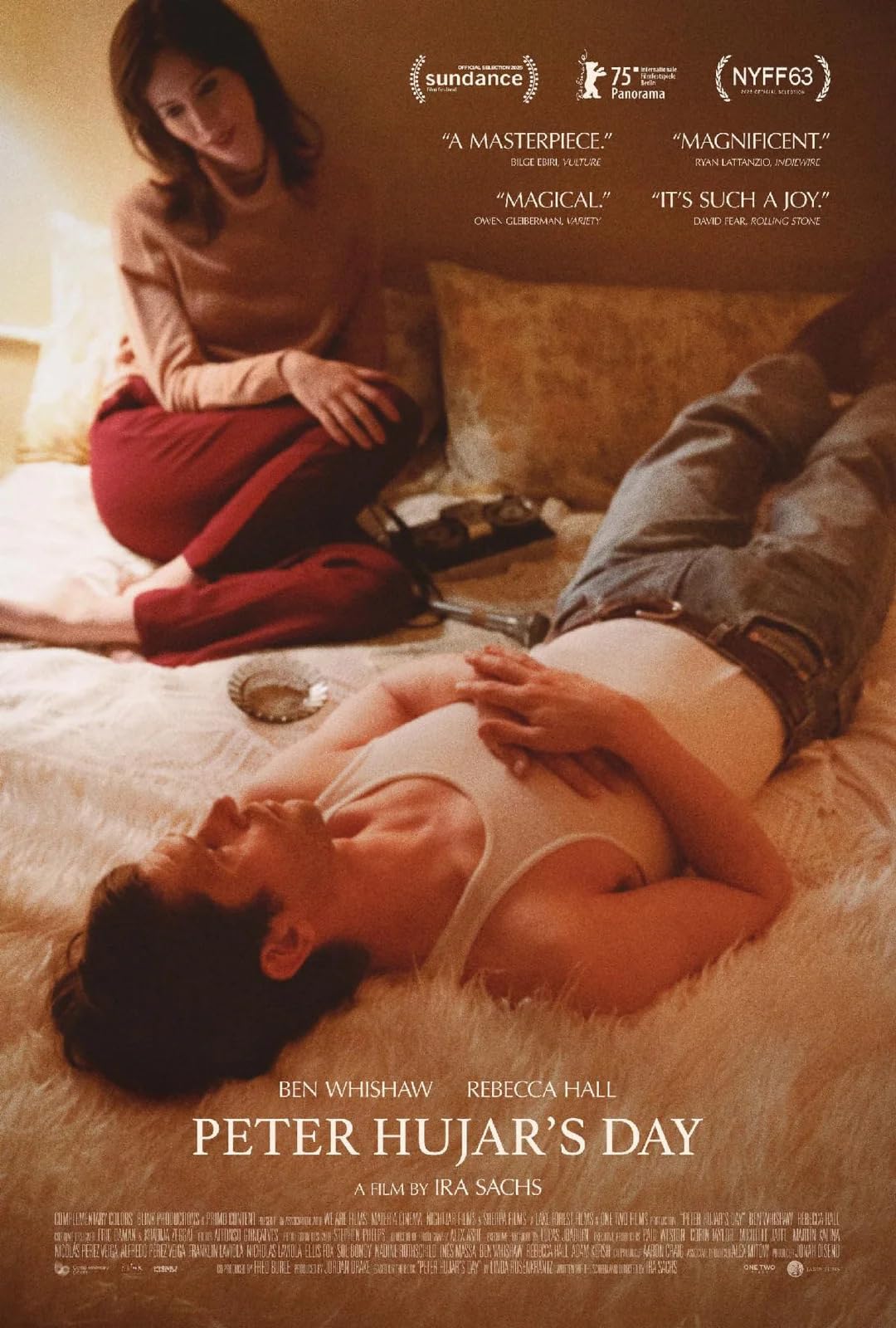
Set entirely in Linda’s Manhattan apartment, the film freely and imaginatively recreates that long-ago afternoon and the wonderfully discursive exchange between these two singular individuals. As the photographer vividly describes interactions with leading cultural figures of the day, including Allen Ginsberg and Susan Sontag, as well as the challenges of living on limited financial resources in ’70s New York, PETER HUJAR’S DAY transforms unexpectedly into a Bloomsday-like rumination on both an artist’s life and time itself.